
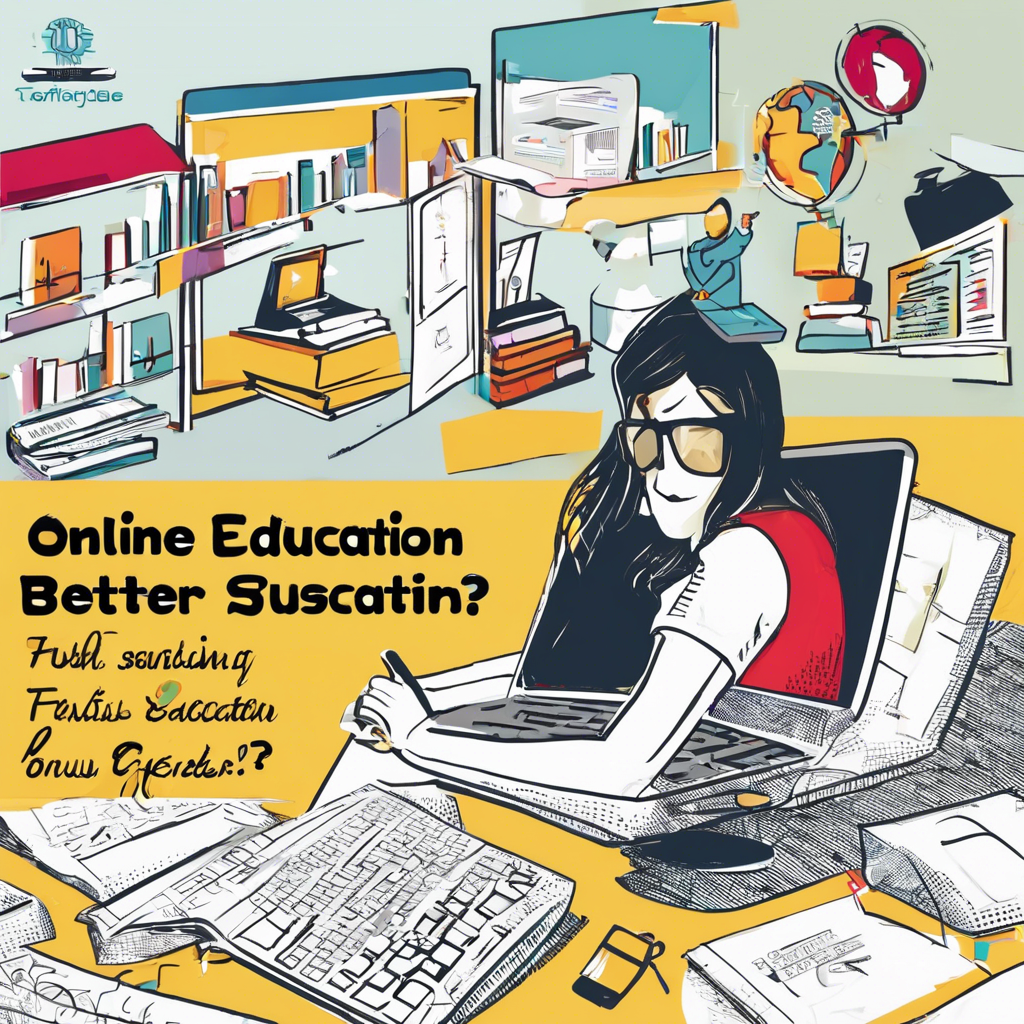
Online education has revolutionized the way people learn, providing access to knowledge and skills that were once limited to traditional classroom settings. The flexibility, affordability, and vast range of opportunities available through online learning have made it a preferred choice for millions worldwide. As digital advancements continue to reshape education, the benefits of online learning have become even more evident. Whether for career growth, skill enhancement, or personal development, online education offers a compelling alternative to conventional methods.
Flexibility and Convenience
One of the most significant advantages of online education is the flexibility it provides. Unlike traditional education, which follows strict schedules, online courses allow learners to study at their own pace. This is especially beneficial for working professionals, parents, and individuals with busy lifestyles.
- Study Anytime, Anywhere: With online learning, students can access courses from anywhere in the world. Whether at home, in a coffee shop, or while traveling, education is always within reach.
- Self-Paced Learning: Many online programs offer self-paced modules, allowing students to progress at a speed that suits their understanding and availability.
- Elimination of Commuting: Traditional learning often involves travel time, which can be stressful and costly. Online education eliminates this hurdle, providing a more efficient way to gain knowledge.
The ability to tailor one’s learning schedule leads to better retention of information and a more enjoyable educational experience. Instead of adhering to rigid timetables, learners can integrate education seamlessly into their daily lives.
Cost-Effectiveness and Accessibility
Education costs have risen significantly, making traditional universities and colleges less affordable for many individuals. Online learning offers a cost-effective alternative by reducing tuition fees, eliminating accommodation costs, and cutting down on commuting expenses.
| Cost Factor | Traditional Education | Online Education |
|---|---|---|
| Tuition Fees | High | Often Lower |
| Accommodation | Required for relocation | No Need |
| Transportation | Expensive over time | Not Required |
| Study Materials | Physical textbooks | Digital resources |
Many online platforms offer free or low-cost courses from prestigious institutions. Websites like Coursera, Udemy, and edX provide access to high-quality education at a fraction of the price. Scholarships, financial aid, and subscription-based models also make learning more accessible.
Beyond affordability, online education ensures inclusivity. Students from different economic backgrounds, geographical locations, and abilities can access the same quality of education, leveling the playing field for lifelong learning opportunities.
Diverse Course Selection and Specializations
Traditional universities often have limitations in terms of course offerings, especially in niche or emerging fields. Online education, however, provides a vast selection of subjects and specializations that cater to various interests and career goals.
- Access to Global Institutions: Learners can take courses from world-renowned universities such as Harvard, MIT, and Stanford without the need to relocate.
- Niche and Emerging Fields: Courses in AI, blockchain, cybersecurity, digital marketing, and more are readily available online, allowing students to stay ahead of industry trends.
- Certifications and Micro-Credentials: Many online programs offer industry-recognized certifications that enhance employability and career prospects.
By providing unlimited access to specialized courses, online education ensures that individuals can pursue their passions and professional goals without restrictions.
Personalized Learning Experience
One of the most compelling features of online education is its ability to provide a personalized learning experience. Unlike traditional classrooms, where teaching methods are standardized, online platforms use data-driven insights to tailor content based on individual learning styles.
- Adaptive Learning Technologies: Platforms utilize AI algorithms to track progress and suggest customized learning paths.
- Multimedia Learning: Courses incorporate videos, interactive quizzes, simulations, and gamification to enhance engagement.
- Immediate Feedback: Automated assessments and discussion forums allow students to receive instant feedback, improving learning outcomes.
Personalized learning leads to better understanding, motivation, and efficiency, ensuring that students gain maximum value from their educational journey.
Career Advancement and Skill Development
In today’s fast-paced job market, continuous learning is essential for career growth. Online education provides professionals with the opportunity to upskill, reskill, and stay competitive in their respective industries.
- Work-Integrated Learning: Online courses allow individuals to learn while maintaining full-time jobs, bridging the gap between education and employment.
- Global Networking Opportunities: Virtual classrooms connect learners with industry experts, mentors, and peers from around the world.
- Industry-Relevant Skills: Many programs are designed in collaboration with leading companies, ensuring that the skills taught are aligned with current job market demands.
With online learning, professionals can enhance their credentials without taking career breaks, making it a practical solution for long-term success.
Interactive and Engaging Learning Methods
The misconception that online education is isolating has been debunked by the rise of interactive and engaging learning experiences. Modern e-learning platforms incorporate various methods to ensure active participation and collaboration.
- Live Sessions and Webinars: Many courses offer live classes with real-time interaction, replicating traditional classroom environments.
- Discussion Forums and Group Projects: Students can engage in discussions, share ideas, and work on collaborative assignments.
- Virtual Labs and Simulations: Subjects like engineering, medicine, and science benefit from practical, hands-on experiences through virtual labs.
By leveraging innovative teaching techniques, online education fosters a sense of community and engagement, enhancing the overall learning experience.
Environmentally Friendly and Sustainable
Online education contributes to environmental sustainability by reducing carbon footprints associated with traditional learning. The shift to digital learning minimizes the need for physical resources and transportation, making it a greener alternative.
- Reduction in Paper Usage: Digital textbooks, assignments, and exams eliminate excessive paper consumption.
- Lower Energy Consumption: Online learning reduces the energy used in maintaining campus infrastructure.
- Decreased Carbon Emissions: Eliminating commuting leads to a significant reduction in fuel consumption and pollution.
By embracing online education, individuals and institutions contribute to a more sustainable future, aligning education with environmental consciousness.
Conclusion
The benefits of online education extend far beyond convenience, offering flexibility, affordability, and access to diverse learning opportunities. By leveraging personalized learning experiences, career-enhancing courses, and interactive teaching methods, online education empowers individuals to achieve their academic and professional goals. Moreover, its role in promoting inclusivity and sustainability makes it an essential part of the future of learning. As digital advancements continue to reshape education, the shift toward online learning is not just a trend but a transformative movement that enhances knowledge acquisition for learners worldwide.