
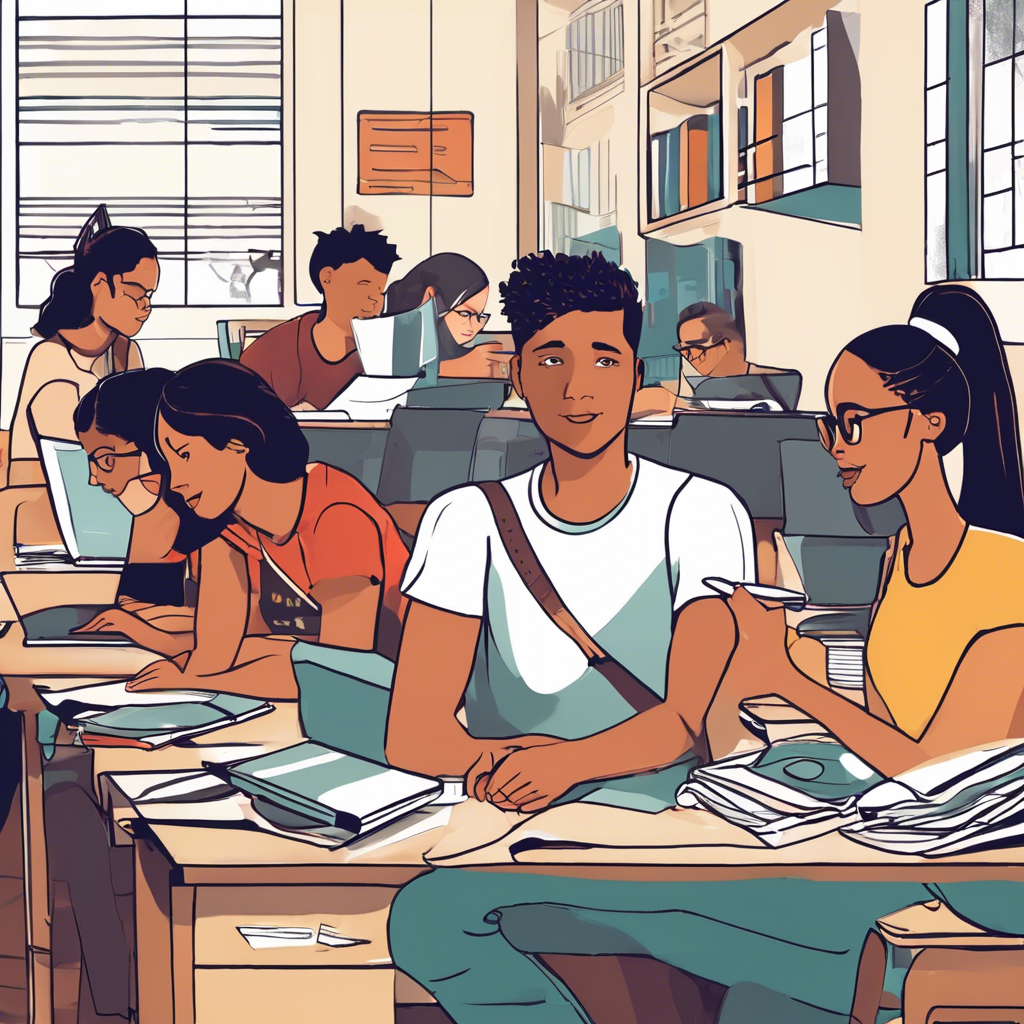
The internet has transformed nearly every aspect of modern life, and education is no exception. With the rapid digitization of resources and the availability of a wealth of information at the click of a button, students are more connected to learning than ever before. However, the question remains: is the internet good for students, or does it come with drawbacks that undermine its potential? The benefits and challenges of using the internet in education are complex, and understanding both sides of the argument is crucial to making the most of this powerful tool.
Access to Information
One of the most significant advantages of the internet for students is the ability to access vast amounts of information. Gone are the days when students had to rely solely on textbooks or library visits to find what they needed. Now, all it takes is a simple search to find articles, videos, and tutorials that can provide a deeper understanding of a topic. Websites like Khan Academy, Coursera, and YouTube have become go-to resources for learning outside the classroom.
Students can access information on any subject imaginable, ranging from science and mathematics to history and art. This open access allows them to learn at their own pace, revisit challenging concepts, and explore areas of interest that may not be covered in their regular curriculum. The internet has made self-directed learning more accessible and has helped bridge the educational gap, providing resources to students who might otherwise lack access to expensive tutoring or specialized resources.
Online Learning Platforms and Educational Apps
In addition to traditional websites, online learning platforms have revolutionized the way students interact with their education. Platforms like Duolingo, Coursera, and edX offer courses from top universities around the world. These platforms allow students to take university-level courses from the comfort of their own homes, often for free or at a significantly lower cost than attending a traditional institution.
These platforms provide a wide range of subjects and offer varying levels of difficulty, making it easier for students to find the right fit for their learning needs. With interactive quizzes, videos, and discussion forums, these courses are designed to engage students and promote active learning. Educational apps, on the other hand, allow students to practice specific skills, such as math problems or language vocabulary, through engaging and interactive methods. These apps are a great way for students to reinforce their knowledge and track their progress over time.
Collaboration and Communication
The internet also facilitates communication and collaboration between students and teachers. Email, instant messaging, and online forums make it easier for students to reach out to their instructors with questions or concerns. This level of accessibility can make a significant difference, especially for students who may feel uncomfortable asking questions in a traditional classroom setting. Teachers can provide timely feedback, share additional resources, and even hold virtual office hours for one-on-one assistance.
Furthermore, the internet allows students to collaborate with their peers in ways that were once unimaginable. Tools like Google Docs, Microsoft Teams, and Slack allow students to work together on group projects, regardless of their physical location. These tools enable real-time collaboration, making it easier for students to share ideas, divide tasks, and compile their work. The ability to work in a virtual team also helps students develop essential skills such as communication, leadership, and time management.
A Platform for Creativity
The internet has also become a platform for creativity. Students can use digital tools to express themselves in new and innovative ways, whether through creating videos, designing websites, or publishing articles. Platforms like WordPress, Blogger, and Medium allow students to share their thoughts and ideas with a global audience, giving them the chance to build an online presence early in their academic careers.
For students interested in creative fields such as graphic design, filmmaking, or music production, the internet offers a wealth of resources and opportunities. Tutorials, software, and forums are all available to help students hone their skills and develop their craft. By engaging with these resources, students can develop portfolios that showcase their abilities and open up potential career opportunities.
Instant Communication with Experts
One of the lesser-discussed but incredibly valuable benefits of the internet for students is the ability to communicate directly with experts in various fields. Through platforms such as LinkedIn, Twitter, or academic forums, students can reach out to professionals and researchers for advice, guidance, or even potential mentorship opportunities. This direct access to experts can help students gain insights into industries or fields of study they may be interested in pursuing.
Moreover, many experts and academics share their knowledge freely on the internet, whether through blogs, podcasts, or online lectures. Students can follow their work and learn from the best, gaining a deeper understanding of the subject matter. The ability to connect with experts also allows students to explore career paths and get advice from those who have already succeeded in their chosen field.
Distractions and the Risk of Procrastination
While the internet offers numerous benefits, it also presents significant challenges for students, particularly in terms of distractions. Social media platforms like Facebook, Instagram, and TikTok are designed to be engaging and addictive, often leading students to lose focus on their studies. The constant stream of notifications and the lure of entertainment can make it difficult for students to stay on task and remain productive.
Moreover, the ease of access to entertainment and non-educational content can lead to procrastination. Instead of dedicating time to studying, students may find themselves mindlessly scrolling through social media, watching videos, or playing games. This can hinder academic progress and create a cycle of guilt and frustration.
The Spread of Misinformation
Another significant concern is the prevalence of misinformation on the internet. While there is an abundance of valuable educational content, there is also a significant amount of inaccurate or misleading information. For students, this can lead to confusion and misinterpretation of important concepts. In some cases, students may unknowingly rely on unreliable sources for their research, leading to poor grades or incorrect conclusions.
To mitigate this, students must develop critical thinking skills and learn how to evaluate the credibility of sources. Educators can help by teaching students how to distinguish between reputable sources and unreliable ones, as well as how to cross-reference information to ensure accuracy.
Privacy and Security Risks
The internet also poses privacy and security risks for students. Personal data is constantly being collected, and students may not always be aware of the potential consequences of sharing their information online. Cyberbullying, identity theft, and online harassment are also concerns that can affect students, particularly those who engage in online communities or share content on social media.
Educational institutions and parents must work together to educate students about online safety and privacy. This includes teaching students how to protect their personal information, avoid phishing scams, and navigate the digital landscape responsibly. By fostering a culture of online safety, we can help ensure that students can make the most of the internet without putting themselves at risk.
Conclusion
In conclusion, the internet offers both significant benefits and potential risks for students. It provides access to a wealth of information, fosters collaboration and creativity, and allows for personalized learning experiences. However, it also presents challenges such as distractions, misinformation, and privacy concerns. To fully harness the potential of the internet for education, students must develop the skills to use it responsibly and effectively. Educators and parents also play a vital role in guiding students through the digital landscape, ensuring they make informed decisions and stay focused on their academic goals. With the right balance, the internet can undoubtedly be a powerful tool for students, enhancing their education and helping them succeed in the digital age.