
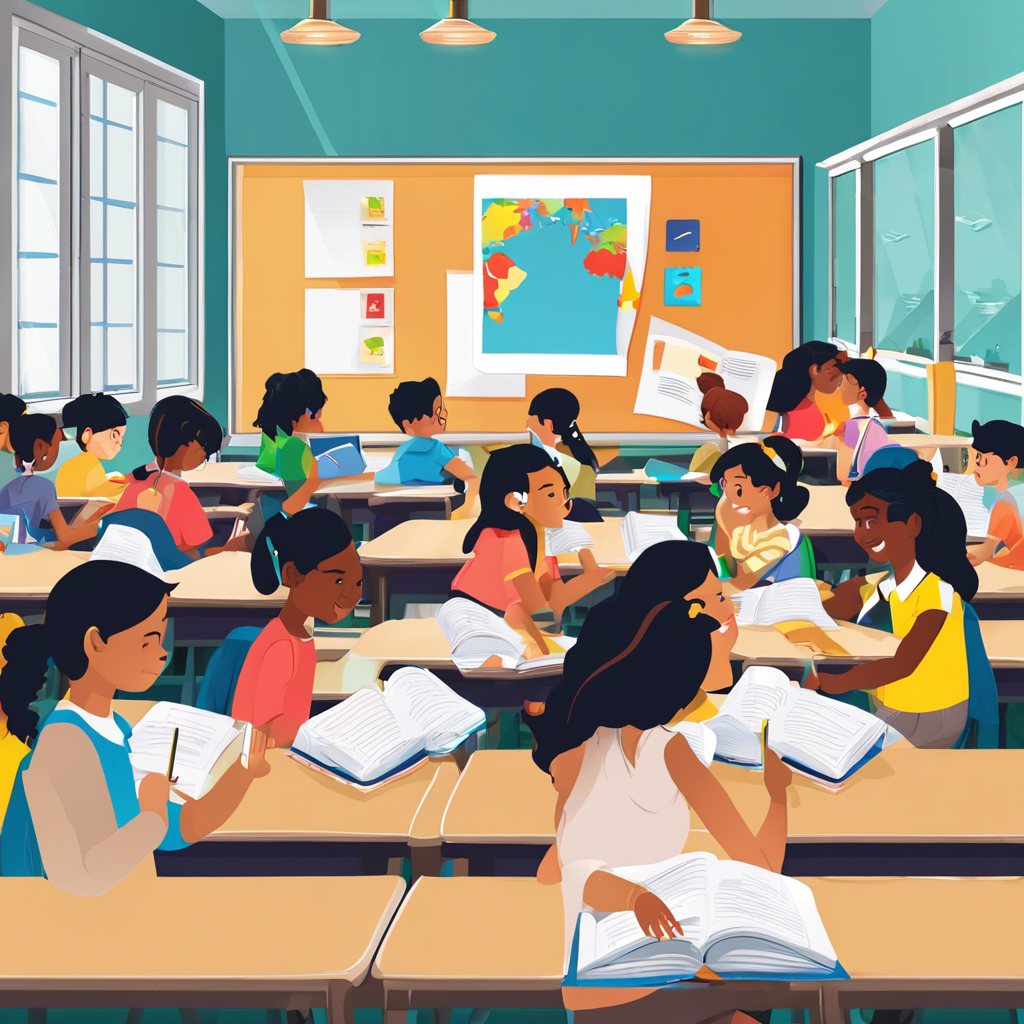
The debate over whether classroom learning is superior to online learning has been ongoing for years, especially with the rapid advancements in digital education. Both methods have their advantages and limitations, making the choice dependent on a variety of factors such as learning style, accessibility, and the type of subject being taught. Traditional classroom learning has long been the cornerstone of education, providing structured environments where students engage in face-to-face interactions with teachers and peers. On the other hand, online learning has revolutionized education, offering flexibility and accessibility to students across the globe. Understanding the strengths and weaknesses of each approach can help educators, students, and policymakers make informed decisions about the best learning methods.
Classroom Learning: The Strength of Traditional Education
Classroom learning has been the standard method of education for centuries, fostering an environment where students engage in direct interactions with their instructors and peers. This face-to-face engagement allows for immediate feedback, personalized instruction, and hands-on activities that enhance comprehension. Teachers can quickly assess students’ understanding, adjust their teaching methods, and provide real-time support to those who need additional help.
Another significant advantage of classroom learning is the structured environment it provides. A fixed schedule, in-person discussions, and group activities help students develop discipline, teamwork, and communication skills. Social interaction plays a vital role in cognitive and emotional development, particularly in younger students who benefit from collaborative learning. Group projects, debates, and in-person discussions promote critical thinking and problem-solving skills, which are essential in real-world scenarios.
Practical subjects such as science, medicine, and engineering often require hands-on training that is best facilitated in a classroom or laboratory setting. Medical students, for example, need direct patient interactions and clinical practice, which cannot be effectively replaced by online simulations. Similarly, students studying fine arts, music, or sports benefit significantly from physical presence and guidance.
However, classroom learning has its limitations. It can be rigid in terms of schedule and location, making it less accessible for students with time constraints or those living in remote areas. Additionally, traditional education can sometimes be costly due to tuition fees, transportation, and accommodation expenses. The classroom environment may also be less accommodating for students with specific learning needs, as not all teachers are trained to tailor lessons for diverse learning styles.
Online Learning: The Power of Flexibility and Accessibility
The digital revolution has transformed the way education is delivered, making learning more accessible than ever before. Online learning provides students with the flexibility to learn at their own pace, anytime and anywhere. This is particularly beneficial for working professionals, parents, and individuals who may not have access to traditional institutions. With the rise of online platforms, students can choose from a vast array of courses offered by prestigious universities and institutions worldwide.
One of the biggest advantages of online learning is cost-effectiveness. Many online courses are significantly cheaper than traditional degrees, and some are even free. Students save money on commuting, housing, and physical textbooks. The availability of recorded lectures, discussion forums, and digital resources also allows learners to revisit topics and reinforce their understanding at their convenience.
Moreover, technology enhances learning experiences through interactive multimedia elements such as videos, animations, and gamified content. Adaptive learning technologies personalize education by adjusting course content based on students’ progress and performance. This individualized approach helps learners grasp difficult concepts more effectively.
Despite its benefits, online learning comes with challenges. One of the primary concerns is the lack of direct interaction with instructors and classmates, which can lead to feelings of isolation. While discussion forums and video calls can bridge this gap, they may not fully replicate the social and collaborative aspects of classroom learning.
Another issue is the need for strong self-discipline and motivation. Without a structured schedule, some students struggle to stay committed and manage their time effectively. Additionally, online education requires a reliable internet connection and access to digital devices, which may not be available to everyone, particularly in underprivileged communities.
Comparing Classroom and Online Learning: A Side-by-Side Analysis
| Factor | Classroom Learning | Online Learning |
|---|---|---|
| Interaction | Direct, face-to-face communication with instructors and peers | Limited interaction, mainly through forums and video calls |
| Flexibility | Fixed schedules and locations | Learn at any time from anywhere |
| Cost | Higher due to tuition, transportation, and material costs | Generally more affordable with many free courses available |
| Learning Style | Suited for hands-on, interactive, and group learning | Best for self-paced, independent learners |
| Engagement | Encourages group activities and social development | Requires self-motivation and discipline |
| Practical Training | Ideal for hands-on subjects like science, medicine, and engineering | Limited in fields requiring physical practice |
The Best of Both Worlds: Blended Learning
Given the strengths and limitations of both classroom and online learning, a hybrid approach—blended learning—has emerged as a promising alternative. Blended learning combines the best aspects of both methods, allowing students to benefit from face-to-face instruction while also taking advantage of digital resources.
In a blended learning model, students attend physical classes for hands-on training, group discussions, and assessments while accessing online materials for additional practice and flexibility. Many universities and institutions are now incorporating hybrid courses to cater to diverse learning needs.
This approach not only provides students with greater accessibility but also enhances engagement through interactive digital tools. Institutions that adopt blended learning can reach a wider audience while maintaining the benefits of traditional classroom interactions.
Which Learning Method is Better?
There is no one-size-fits-all answer to whether classroom learning is better than online learning. The effectiveness of each method depends on various factors, including the subject being taught, the learner’s preferences, and available resources. While classroom learning is essential for practical and interactive subjects, online education provides flexibility and affordability for those seeking self-paced learning.
Students who thrive in structured environments with direct engagement may find classroom learning more effective, while those who prefer independent study and flexibility may benefit from online courses. The key is to choose an approach that aligns with one’s learning style, career goals, and personal circumstances.
As education continues to evolve, integrating both traditional and digital learning methods will likely be the future of education. Whether through fully online courses, classroom-based instruction, or blended learning, the goal remains the same—to provide quality education that meets the needs of learners worldwide.