
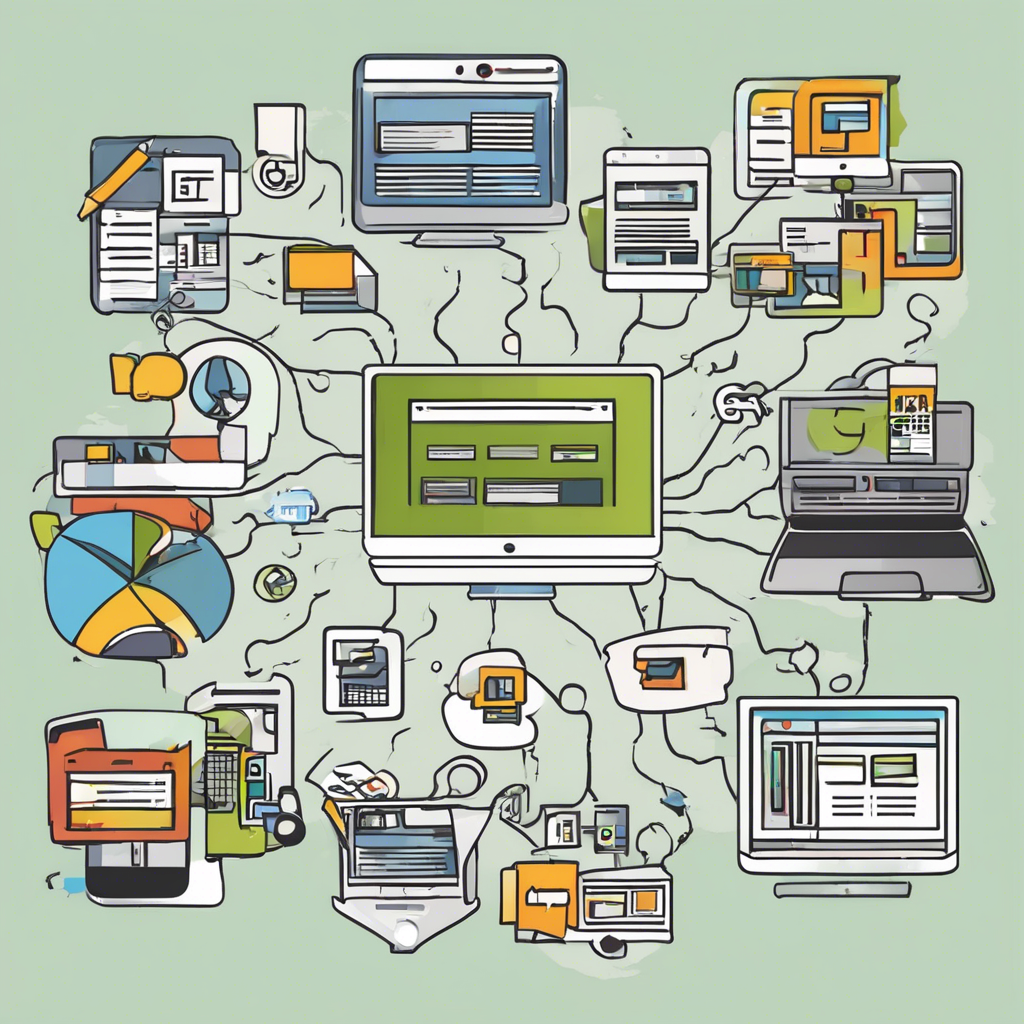
Online media has revolutionized the way information is shared, consumed, and interacted with. Unlike traditional media, which relies on print, radio, and television, online media offers a dynamic, interactive, and accessible approach to communication. The evolution of digital platforms has led to the rise of websites, social media networks, blogs, podcasts, and streaming services that shape public opinion and influence global conversations. Understanding the key characteristics of online media helps individuals and businesses maximize their digital presence, ensuring effective engagement with audiences worldwide.
1. Interactivity: Engaging Users in Real-Time
One of the defining features of online media is interactivity. Unlike traditional media, which is primarily one-way communication, online platforms enable direct engagement between content creators and their audience. Social media networks, blogs, and news websites incorporate comment sections, live chats, and reaction buttons to allow readers to respond instantly. This real-time interaction enhances user engagement and fosters community discussions.
For example, platforms like Twitter and Facebook allow users to share their thoughts through comments and direct messages, influencing brand reputation and media narratives. Businesses leverage this feature by implementing chatbots for customer support, ensuring seamless communication. Additionally, interactive polls, quizzes, and surveys make content more engaging, driving participation and feedback from users. By incorporating interactive elements, online media ensures that content remains dynamic and participatory rather than passive.
2. Multimedia Integration: Enhancing Content Through Rich Media
Online media thrives on multimedia integration, combining text, images, videos, audio, and animations to create immersive content. Unlike traditional newspapers or radio broadcasts that rely on a single format, online platforms embrace a variety of content types to engage diverse audiences.
Websites, social media pages, and digital publications use infographics to simplify complex information, video tutorials to demonstrate processes, and podcasts to discuss trending topics. YouTube, TikTok, and Instagram Reels highlight the power of video content in modern media, where visual storytelling captivates viewers and enhances message retention. According to studies, people process visual information 60,000 times faster than text, making multimedia a crucial element of effective communication.
Furthermore, multimedia elements improve accessibility for different demographics. Audio content benefits visually impaired users, while captioned videos cater to those with hearing impairments. The integration of various media formats ensures that online content reaches a broader audience and delivers information in an engaging and digestible manner.
3. Instant Accessibility: Information at Your Fingertips
One of the most powerful aspects of online media is its instant accessibility. Unlike traditional print newspapers that require physical distribution or TV broadcasts that air at scheduled times, online media is available 24/7 from any device with an internet connection. Whether users are looking for breaking news updates, educational resources, or entertainment, they can access content within seconds.
The rise of mobile technology has further amplified this accessibility, with smartphones and tablets allowing people to browse the internet from virtually anywhere. Online news portals, e-books, and digital magazines provide on-the-go reading, eliminating geographical barriers that once restricted media access.
Additionally, search engines like Google enhance the discoverability of information, making it easier for users to find relevant articles, videos, and social media posts. Websites implement SEO (Search Engine Optimization) strategies to ensure their content ranks higher in search results, increasing visibility and reach. The speed and convenience of online media have transformed the way people consume information, making it an essential part of daily life.
4. Personalization: Tailoring Content to User Preferences
Online media adapts to user behavior through personalization, offering tailored content based on individual preferences and browsing history. Unlike traditional media, where everyone receives the same content, digital platforms utilize algorithms to customize user experiences.
Streaming services like Netflix and Spotify recommend movies and music based on past viewing and listening habits, ensuring a more relevant entertainment experience. Social media feeds are curated to display posts, news, and advertisements aligned with user interests, maximizing engagement. E-commerce websites implement personalized product recommendations, increasing the likelihood of conversions.
Data analytics play a crucial role in personalization, as companies track user interactions to improve content relevance. While this enhances user experience, it also raises concerns about data privacy and ethical use of personal information. Platforms must balance customization with transparency, ensuring users understand how their data is used to shape their digital experience.
5. Virality and Shareability: Spreading Information Rapidly
Virality and shareability distinguish online media from traditional communication channels. Digital content spreads rapidly through social sharing, hashtags, and trending topics, reaching global audiences within minutes. Viral videos, memes, and news stories gain traction as users engage with, comment on, and share them across platforms.
The concept of “going viral” has transformed marketing and media strategies, as brands and influencers create shareable content to maximize reach. Social media challenges, influencer collaborations, and user-generated content campaigns leverage virality to build brand awareness and engagement.
However, the rapid spread of information also presents challenges, particularly concerning misinformation and fake news. Unverified content can quickly gain traction, leading to misinformation crises. Platforms implement fact-checking tools and content moderation strategies to combat the spread of false narratives, ensuring a more reliable digital environment.
Table: Comparison of Online Media and Traditional Media
| Feature | Online Media | Traditional Media |
|---|---|---|
| Interactivity | Two-way communication, user engagement | One-way communication, limited feedback |
| Multimedia | Combines text, video, audio, and images | Limited to specific formats (print, TV, radio) |
| Accessibility | 24/7 access from any device, global reach | Time and location-dependent |
| Personalization | Customized content based on user behavior | Generic content for all audiences |
| Shareability | Instant sharing, viral potential | Limited reach, slower dissemination |
Conclusion
Online media has fundamentally reshaped the way people consume and share information. With its interactive nature, multimedia integration, instant accessibility, personalized content, and viral potential, digital platforms offer an unparalleled media experience. Businesses, content creators, and individuals must leverage these characteristics to stay relevant in an ever-evolving digital landscape.
However, with great power comes great responsibility. As online media continues to dominate communication, ethical considerations surrounding misinformation, data privacy, and digital well-being must remain a priority. Ensuring a balanced and trustworthy online environment will be key to sustaining the positive impact of digital media in the years to come.