
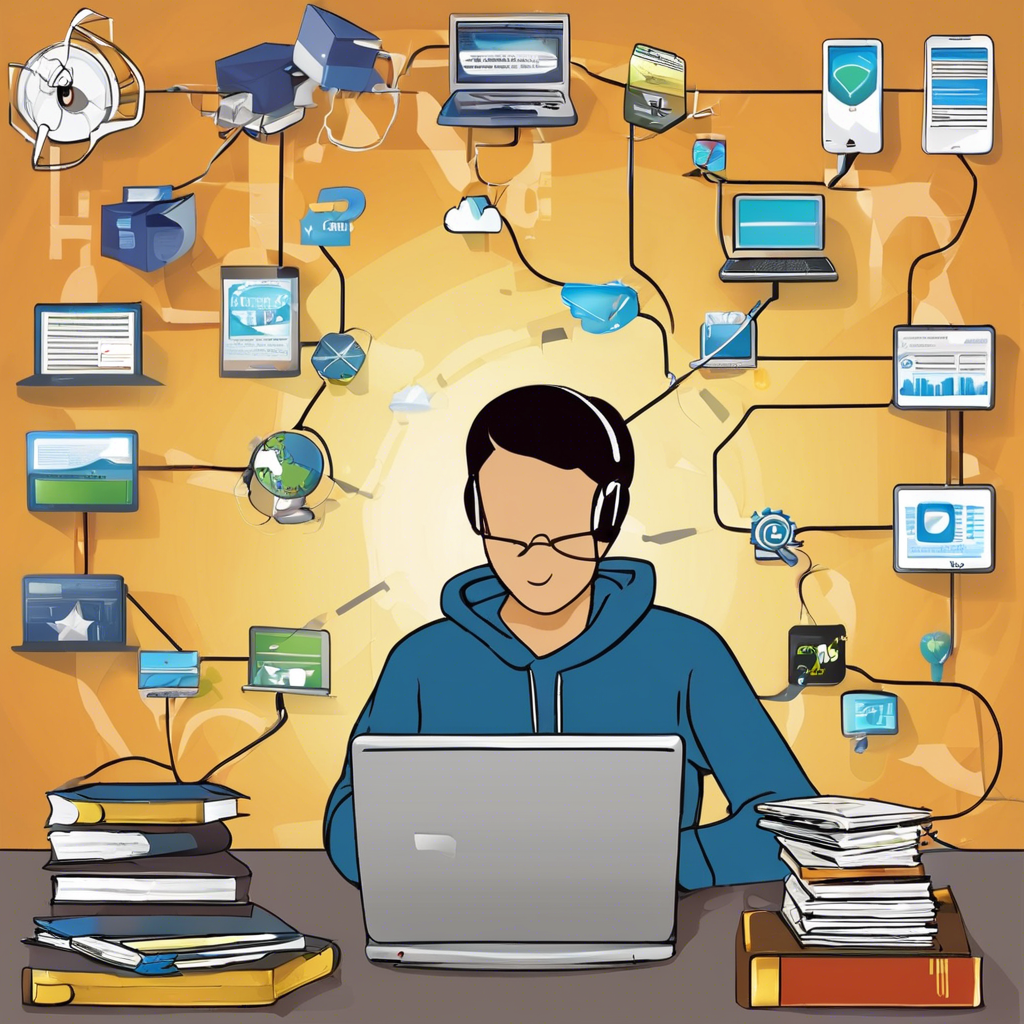
The internet has become an essential tool for students in today’s digital world. It offers an abundance of resources that can enhance learning, facilitate research, and promote collaboration. However, like any powerful tool, it comes with its challenges. While the internet provides unlimited access to knowledge, it also presents distractions, misinformation, and security risks. Understanding both the advantages and disadvantages of the internet for students is crucial for maximizing its benefits while minimizing its downsides.
Advantages of the Internet for Students
1. Access to Unlimited Information
One of the most significant advantages of the internet is the vast amount of information available. Students can access academic journals, research papers, e-books, and educational videos within seconds. Websites like Google Scholar, Khan Academy, and Coursera offer high-quality educational content for free or at an affordable price. In contrast to traditional libraries, which may have limited resources, the internet provides up-to-date and diverse perspectives on any topic.
| Source | Type of Information Provided |
|---|---|
| Google Scholar | Academic papers and journals |
| Khan Academy | Video lessons on various subjects |
| Coursera | Online courses from universities |
| Wikipedia | General knowledge articles |
| ResearchGate | Scientific and research articles |
With such a wealth of resources at their fingertips, students can deepen their knowledge beyond what is taught in schools and universities.
2. Convenient Learning and Online Education
The internet has revolutionized learning by making education more flexible and accessible. Online courses allow students to learn at their own pace, accommodating different learning styles. Many universities now offer online degrees, removing geographical barriers and making education available to students worldwide.
Students can also use educational apps and platforms like Duolingo for language learning, Udemy for skill development, and edX for university-level courses. These platforms often provide certificates, which can enhance a student’s academic profile and employability.
3. Improved Communication and Collaboration
The internet fosters communication between students, teachers, and peers. Through email, discussion forums, and social media, students can exchange ideas, ask questions, and participate in academic discussions. Collaborative tools such as Google Docs, Trello, and Slack enable group projects and teamwork, even when participants are in different locations.
| Tool | Purpose |
|---|---|
| Google Docs | Document collaboration |
| Trello | Project management |
| Slack | Team communication |
| Zoom | Virtual meetings |
| Microsoft Teams | Classroom collaboration |
This enhanced communication allows for a more interactive learning experience, making it easier for students to seek help and stay engaged with their studies.
4. Preparation for the Future
In today’s digital economy, students who are proficient in internet usage have a competitive advantage. The internet helps students develop critical digital skills, such as research abilities, online communication, and cybersecurity awareness. These skills are crucial for future careers, especially in industries that rely on technology and remote work.
Furthermore, many job opportunities require knowledge of digital marketing, coding, or data analysis—skills that can be learned online for free or at a low cost. Websites like Codecademy, LinkedIn Learning, and HubSpot Academy provide courses that prepare students for the modern workforce.
5. Instant Updates and News Access
Students no longer need to rely solely on traditional media for news and current events. The internet provides real-time updates on global affairs, scientific discoveries, and technological advancements. Platforms like BBC News, The New York Times, and National Geographic offer reliable information, helping students stay informed and develop a broader worldview.
However, students must be careful about the sources they trust, as misinformation and biased reporting are prevalent online. Critical thinking and fact-checking skills are essential when consuming online content.
Disadvantages of the Internet for Students
1. Distractions and Reduced Focus
While the internet is a valuable educational tool, it is also a major source of distraction. Social media, gaming websites, and streaming platforms often divert students’ attention from their studies.
| Common Distractions | Impact on Students |
|---|---|
| Social Media (Facebook, Instagram, TikTok) | Reduces study time and concentration |
| YouTube and Netflix | Leads to excessive screen time |
| Online Gaming | Can cause addiction and neglect of studies |
| Unnecessary Browsing | Wastes valuable learning time |
To stay productive, students can use focus-enhancing tools like website blockers (Cold Turkey, Freedom) and time management apps (Pomodoro timers, Forest app).
2. Exposure to Misinformation
Not all information on the internet is reliable. Fake news, misleading statistics, and biased articles can misinform students, leading to incorrect knowledge and poor decision-making. Websites that lack credibility often spread rumors or unverified claims, making it essential for students to cross-check facts from authoritative sources.
To avoid misinformation, students should rely on reputable educational websites and cross-reference information from multiple sources before accepting it as fact.
3. Cybersecurity Risks
Students are vulnerable to online threats, including cyberbullying, hacking, and identity theft. Sharing personal information on social media or unsecured websites can lead to security breaches.
| Cybersecurity Threat | Risk to Students |
|---|---|
| Phishing Emails | Theft of personal information |
| Malware | Potential data loss |
| Cyberbullying | Emotional and psychological harm |
| Unsecured Public Wi-Fi | Risk of hacking |
To stay safe online, students should use strong passwords, enable two-factor authentication, and avoid clicking on suspicious links. Schools and parents must educate students on online safety to protect them from digital threats.
4. Over-Reliance on the Internet
Students may develop an over-reliance on the internet, reducing their ability to think critically and solve problems independently. Easy access to online answers can discourage deep learning and creativity.
Excessive dependence on search engines like Google may also lead to poor retention of information. Instead of memorizing concepts, students might simply look up answers without fully understanding the material. This can negatively impact their academic performance and problem-solving abilities.
5. Health Issues Due to Excessive Screen Time
Spending long hours online can negatively impact students’ health. Prolonged screen exposure can cause eye strain, headaches, and disrupted sleep patterns. Lack of physical activity due to extended internet use can also lead to obesity and other health concerns.
To mitigate these risks, students should take regular screen breaks, maintain good posture, and practice the 20-20-20 rule (every 20 minutes, look at something 20 feet away for 20 seconds). Parents and teachers should encourage a balanced lifestyle that includes offline activities and physical exercise.
Conclusion
The internet has revolutionized education by providing students with access to unlimited information, flexible learning opportunities, and enhanced collaboration tools. It prepares them for future careers by equipping them with essential digital skills. However, it also presents challenges such as distractions, misinformation, cybersecurity threats, and health risks.
To maximize the benefits of the internet while minimizing its drawbacks, students must practice responsible internet use. This includes setting boundaries for screen time, verifying sources of information, and staying vigilant against online threats. Educators and parents play a crucial role in guiding students to use the internet wisely and effectively.
A balanced approach—leveraging the advantages while mitigating the disadvantages—will enable students to harness the internet’s power for personal and academic growth. By doing so, they can become informed, skilled, and responsible digital citizens in an increasingly connected world.