
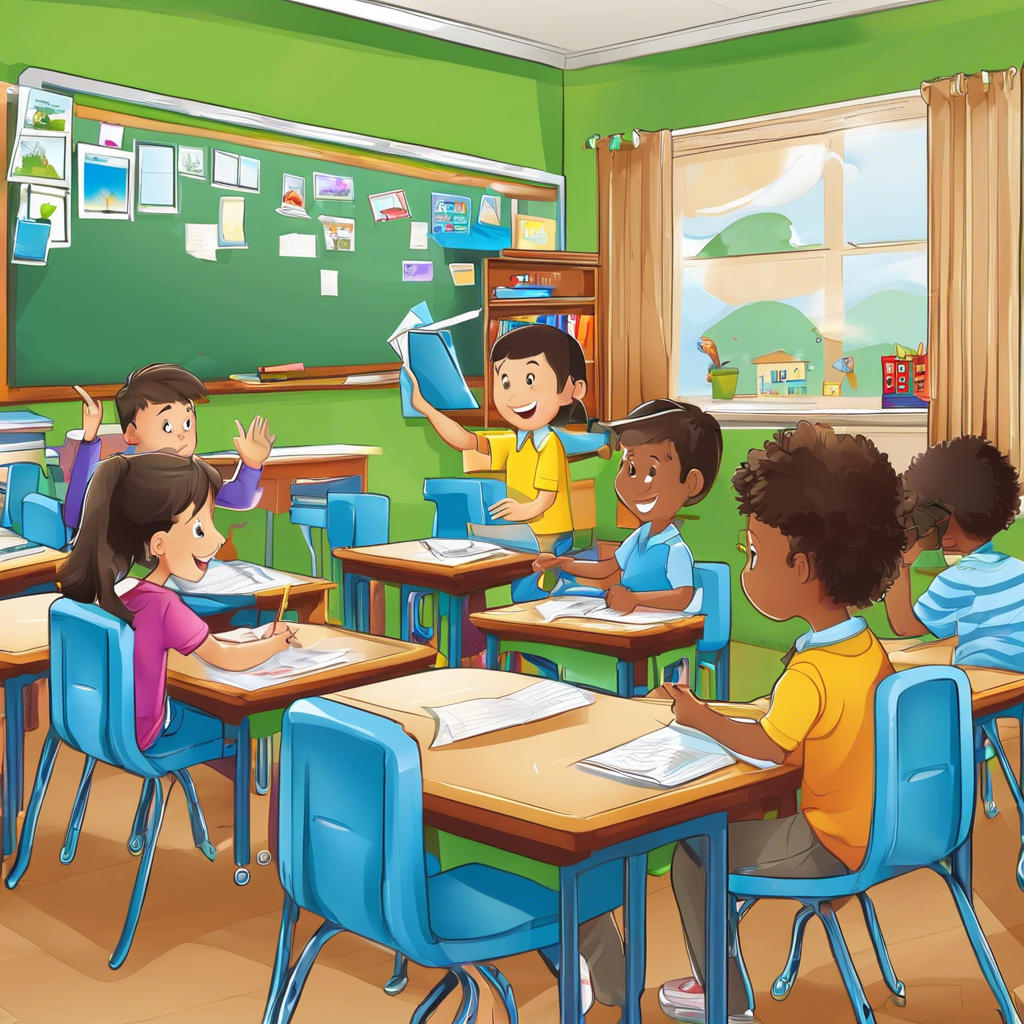
Classroom learning is one of the most significant and influential experiences in an individual’s educational journey. It offers a structured environment where students can not only absorb knowledge but also develop crucial skills that are necessary for their personal growth and future success. As educational methods evolve, the traditional classroom setting remains essential due to its ability to foster critical thinking, social development, and lifelong learning habits. Here’s a deep dive into the various benefits of classroom education, highlighting the key areas where it contributes to a student’s academic and personal growth.
Enhanced Social Interaction and Collaboration
One of the primary benefits of classroom education is the opportunity for students to engage in social interactions. Learning in a classroom setting allows students to communicate directly with their peers, teachers, and other staff, which is critical in building strong interpersonal skills. Collaboration is also an integral part of classroom learning. Students are often tasked with group projects, discussions, or assignments that require teamwork. These group settings teach valuable life skills such as cooperation, conflict resolution, and empathy.
In addition, classroom learning exposes students to a diverse group of peers, promoting cultural exchange and broadening their worldview. This diversity enhances students’ ability to work with people from different backgrounds, which is especially important in today’s globalized world. Working with people of various perspectives helps students develop a deeper understanding of social dynamics and learn how to adapt to different social situations. The social interactions fostered in the classroom thus lay the foundation for emotional intelligence and effective communication, both of which are essential for success in both professional and personal life.
Immediate Feedback and Support
Another key advantage of classroom learning is the ability to receive immediate feedback from instructors. In traditional classrooms, teachers can assess students’ understanding in real-time, providing guidance, clarification, and correction as necessary. This immediacy is often lacking in online learning environments, where feedback may be delayed, making it harder for students to adjust their learning strategies.
The instant feedback offered in classrooms allows students to identify areas where they may need improvement and make necessary adjustments right away. Teachers can also offer personalized support, ensuring that students who are struggling with certain topics receive the help they need. This level of individual attention is particularly valuable in subjects that require a deep understanding of concepts and theories. Whether it’s a question in mathematics or a discussion on literature, the ability to ask questions and get immediate answers contributes significantly to academic success.
Structured Learning Environment
Classrooms provide a structured learning environment that helps students stay organized and focused. The clear schedules, set learning objectives, and designated times for study, breaks, and recreational activities help students maintain a balanced routine. This structure is especially beneficial for younger students who might struggle with self-regulation and time management.
In contrast to unstructured or overly flexible learning environments, the classroom offers a predictable setting where expectations are clear. Students know when assignments are due, when exams will take place, and what they need to do to succeed in their studies. This structure is not only helpful for academic performance but also instills habits of discipline and time management that students will carry into their future careers.
Access to Resources and Technology
A well-equipped classroom often offers access to resources and technology that students might not have at home. Educational tools such as projectors, interactive whiteboards, and learning management systems enhance the learning experience and engage students in unique ways. Additionally, many classrooms offer access to resources like textbooks, science labs, and specialized materials that support a hands-on learning approach.
With the integration of technology in modern classrooms, students can access online learning platforms, virtual simulations, and educational apps. These resources not only make learning more engaging but also provide students with additional ways to explore and understand complex concepts. Access to these resources helps bridge the gap between theoretical knowledge and real-world application, preparing students for an increasingly tech-driven future.
Motivation and Accountability
The classroom environment plays a crucial role in motivating students to perform well academically. The presence of a teacher and peers encourages a sense of accountability that might be lacking in less structured learning environments. Knowing that they will be evaluated and that their performance will be shared with others motivates students to stay engaged and work harder to meet expectations.
Teachers also serve as role models and provide inspiration. Many students thrive in a classroom setting where they can look to their instructor for guidance and inspiration. A supportive teacher can ignite passion and enthusiasm for a subject, encouraging students to develop a deeper interest in the material. Furthermore, the social pressure of working within a peer group can spur students to push themselves further and achieve their best work, fostering a culture of academic excellence.
Development of Critical Thinking and Problem-Solving Skills
Classroom learning emphasizes the development of critical thinking and problem-solving skills, which are essential in today’s fast-paced, information-driven world. In-class discussions, debates, and hands-on activities challenge students to think analytically, consider different perspectives, and approach problems systematically. These activities encourage students to ask questions, analyze information, and form reasoned conclusions, which are skills that are transferable to various aspects of life.
Instructors also play a key role in shaping students’ critical thinking abilities by encouraging them to engage with the material in thoughtful and reflective ways. Instead of just memorizing facts, students are taught to question the underlying principles and concepts, fostering deeper understanding and intellectual curiosity. This focus on critical thinking helps students become independent learners who are capable of tackling complex problems and making informed decisions.
Personalized Learning Experience
Although classrooms typically involve a group of students, they offer opportunities for personalized learning that can cater to individual needs. Instructors can adjust the pace of lessons, provide extra support when necessary, and offer different methods of instruction to suit various learning styles. Some students may learn better through hands-on activities, while others may prefer visual or auditory learning.
Teachers are also able to monitor each student’s progress and identify areas where they may need additional support. For example, a student struggling with a specific topic can receive targeted help, whether through one-on-one sessions, additional resources, or tailored assignments. This level of personalized attention can help ensure that every student receives the support they need to succeed, making the classroom an environment where learning is adaptable and student-centered.
Sense of Community and Belonging
The sense of community that comes with classroom learning is another valuable benefit. Students in a classroom setting form bonds with their peers, creating a support network that extends beyond the classroom. This sense of belonging can boost students’ confidence and provide emotional support, which is essential for mental health and overall well-being.
Many students experience feelings of isolation or anxiety, especially when faced with academic challenges. However, the classroom environment can serve as a place of emotional stability, where students know they are part of a larger group. Social connections forged in the classroom can lead to lasting friendships and a sense of shared purpose, which is important for a student’s overall educational experience. These relationships contribute to a positive school culture, making the classroom a nurturing environment for both academic and personal growth.
In conclusion, classroom education remains a cornerstone of effective learning due to its ability to foster collaboration, provide immediate feedback, and offer a structured environment that encourages growth. Through social interaction, personalized learning, and the development of critical thinking skills, students are better prepared to face the challenges of the modern world. The classroom also serves as a place where students can access valuable resources, build a sense of community, and develop essential life skills. As educational systems continue to evolve, the traditional classroom will remain an indispensable part of a comprehensive and well-rounded education, supporting not only academic achievement but also personal development and social growth.