
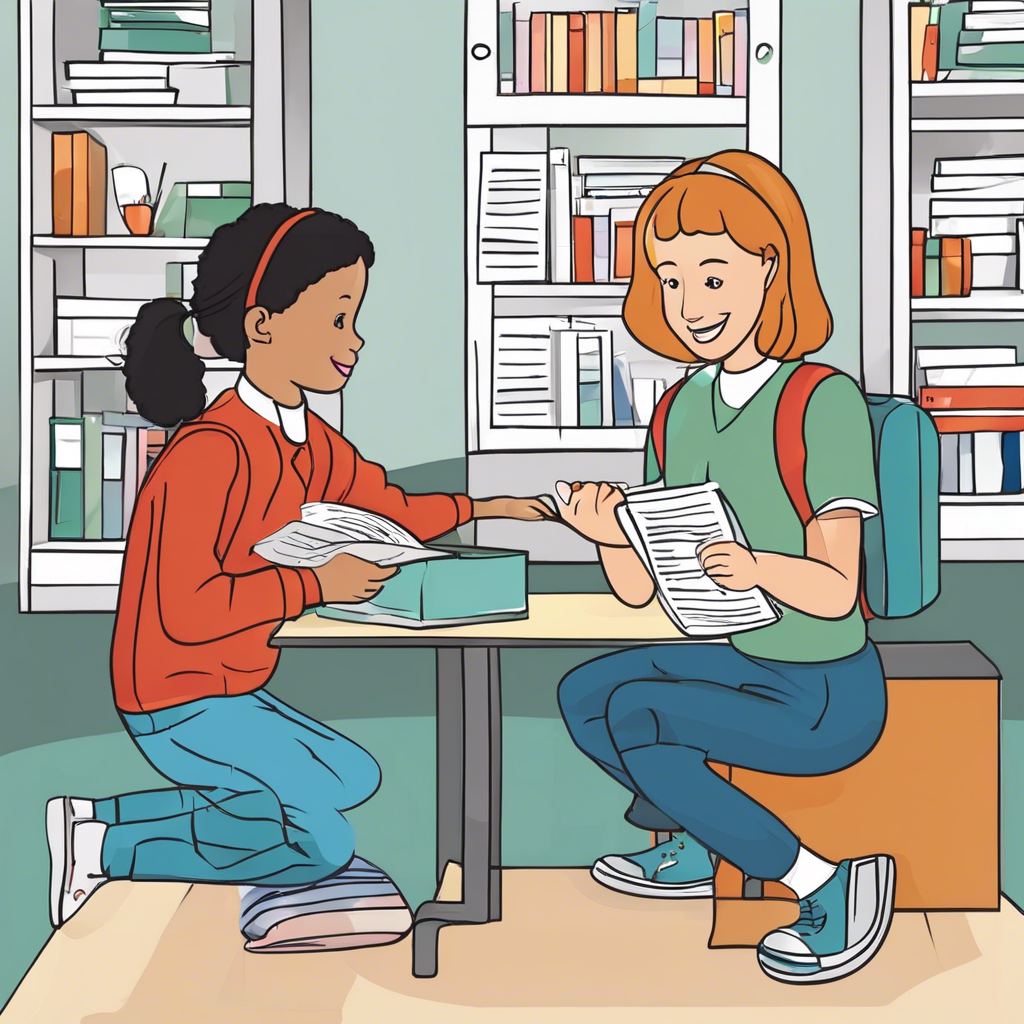
Face-to-face learning remains one of the most effective and widely preferred methods of education, despite the rise of online alternatives. The traditional classroom setting offers unique benefits that digital platforms often struggle to replicate. From fostering better communication to improving retention rates, face-to-face learning creates an immersive and engaging educational experience. Whether in schools, universities, or corporate training sessions, direct human interaction plays a crucial role in knowledge acquisition and skill development.
Improved Communication and Interaction
One of the most significant advantages of face-to-face learning is the ability to communicate effectively. In a physical classroom, students and instructors engage in real-time discussions, ask questions, and clarify doubts instantly. This direct interaction enhances understanding, as non-verbal cues such as facial expressions, gestures, and tone of voice contribute to the learning process. Studies indicate that body language accounts for up to 55% of communication, meaning that much of what is conveyed in an online setting is lost without physical presence.
Furthermore, in-person learning fosters meaningful relationships between students and teachers. When learners feel comfortable engaging with their instructors, they are more likely to seek clarification and participate actively. This interaction builds confidence, encourages critical thinking, and ensures that students grasp complex concepts more effectively than through text-based or pre-recorded lessons.
Enhanced Focus and Reduced Distractions
In a structured classroom environment, students are less prone to distractions compared to remote learning. The presence of a teacher ensures discipline and engagement, reducing the temptation to multitask or browse social media. A recent study by Stanford University found that students learning online experience higher levels of cognitive overload due to multitasking, negatively impacting their ability to retain information.
Face-to-face learning creates an atmosphere where students can focus solely on the subject matter without interruptions. Teachers can observe students’ engagement levels and adjust their teaching strategies accordingly. This personalized approach is especially beneficial for complex subjects that require step-by-step explanations or practical demonstrations.
Better Retention and Understanding
Physical classrooms offer a dynamic learning experience through hands-on activities, group discussions, and practical exercises. According to educational psychology research, active learning—where students engage in activities rather than passively receiving information—boosts retention rates by up to 75%.
For example, science experiments, role-playing in language classes, or case studies in business education allow students to apply theoretical concepts in real-world scenarios. This practical application reinforces learning, making it easier to recall and apply knowledge in future situations. Face-to-face learning also allows for immediate feedback, ensuring that misconceptions are corrected before they become ingrained.
Development of Social and Emotional Skills
Education is not just about acquiring knowledge—it’s also about developing social skills and emotional intelligence. In-person learning environments encourage teamwork, collaboration, and interpersonal communication. Group projects, debates, and peer discussions teach students how to work together, resolve conflicts, and express their ideas effectively.
In contrast, online learning often isolates students, limiting their ability to interact meaningfully with peers. A survey conducted by the American Psychological Association revealed that students in face-to-face settings report higher levels of motivation, engagement, and satisfaction compared to their online counterparts. These social interactions are essential for building confidence, leadership skills, and resilience—qualities that are crucial in both academic and professional settings.
Stronger Accountability and Discipline
The structured nature of face-to-face learning instills discipline and accountability in students. In traditional classrooms, attendance, punctuality, and participation are closely monitored, encouraging students to stay committed to their studies. Teachers can track progress, provide personalized guidance, and intervene when students struggle.
Online learning, on the other hand, relies heavily on self-discipline, which can be challenging for many learners. A report by the National Education Association found that dropout rates for online courses are significantly higher than for in-person classes due to a lack of motivation and accountability. In physical classrooms, students are more likely to complete assignments, participate in discussions, and stay on track with their educational goals.
Personalized Learning and Adaptability
One of the major strengths of face-to-face education is its adaptability to individual learning needs. Teachers can assess students’ progress in real-time and adjust their teaching methods accordingly. Whether a student needs extra help with a difficult topic or requires more advanced material, in-person learning provides the flexibility to cater to diverse learning styles.
In a traditional classroom, educators can employ a mix of teaching techniques, such as visual aids, storytelling, and interactive activities, to accommodate different learners. Research from Harvard University suggests that multimodal learning—combining visual, auditory, and kinesthetic elements—improves comprehension and long-term retention. This level of customization is often lacking in online courses, where pre-recorded lessons follow a one-size-fits-all approach.
Networking and Career Opportunities
Another overlooked benefit of face-to-face learning is the opportunity to build professional networks. Whether in a university setting or corporate training session, in-person education allows students to connect with peers, mentors, and industry professionals. These connections can lead to internships, job opportunities, and collaborations that are difficult to establish through virtual interactions.
For example, business schools often organize guest lectures, networking events, and group projects that allow students to interact with professionals in their field. Similarly, medical and engineering students benefit from hands-on training in labs and clinics, where they can learn directly from experienced practitioners. These real-world experiences provide valuable insights and career prospects that extend beyond the classroom.
Conclusion
Despite the growing popularity of online learning, face-to-face education remains an indispensable part of academic and professional training. The advantages of direct interaction, enhanced focus, better retention, social development, and personalized learning make in-person education the preferred choice for many learners. A structured environment fosters discipline, accountability, and collaboration, all of which are crucial for long-term success.
While technology will continue to shape the future of education, the importance of human connection and hands-on learning cannot be overstated. The traditional classroom setting provides an immersive and enriching experience that goes beyond textbooks and screens, preparing students for both academic excellence and real-world challenges. Whether in schools, universities, or workplaces, face-to-face learning remains a vital component of education that ensures deeper understanding, better engagement, and stronger professional growth.