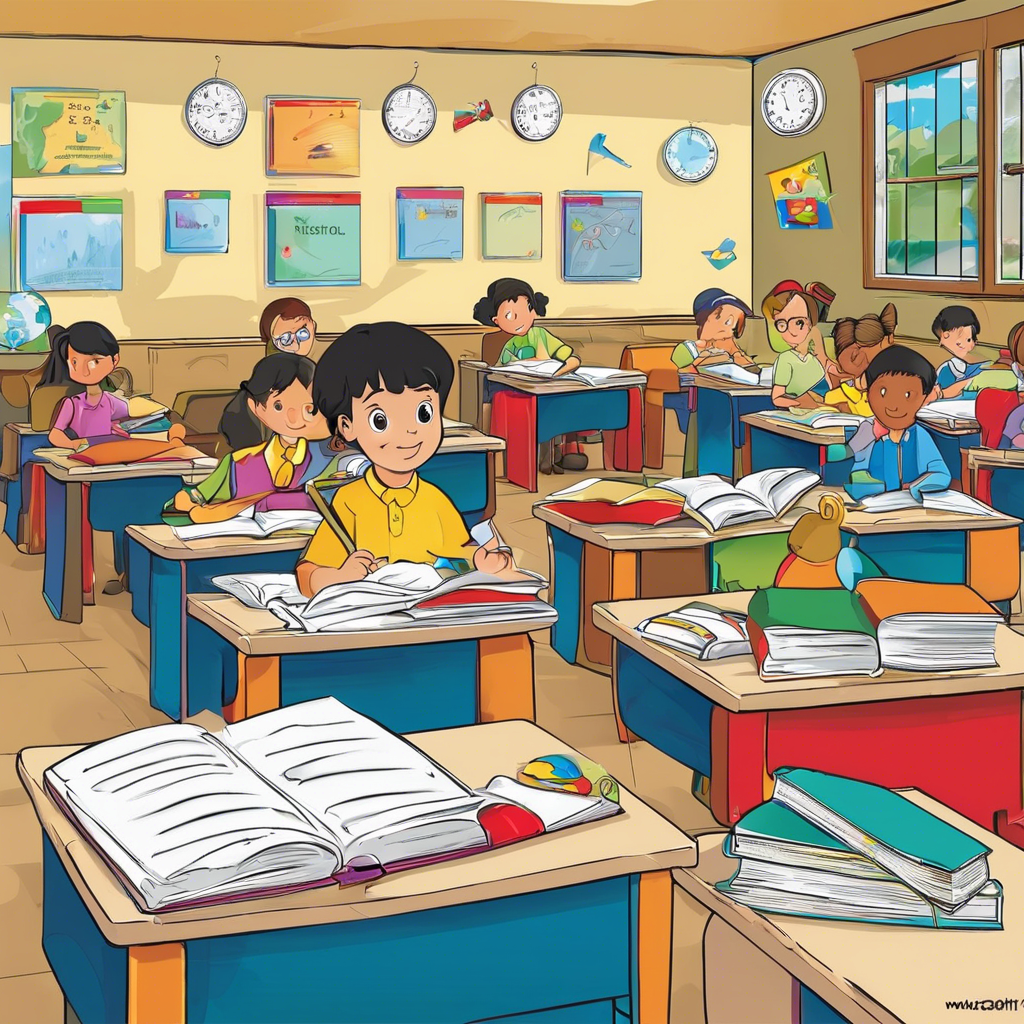
Classroom learning has been the foundation of education for centuries, offering students structured environments where they can engage with teachers and peers. However, despite its many advantages, it also comes with a variety of challenges and disadvantages that can hinder student progress and limit their learning experience. From rigid schedules to one-size-fits-all teaching methods, traditional classroom settings often fail to accommodate the diverse needs of students. As education evolves with technology and alternative learning models, it is essential to analyze the drawbacks of classroom learning to understand where improvements are necessary.
Lack of Personalized Learning
One of the major disadvantages of classroom learning is the lack of personalized education. In a typical classroom, a single teacher is responsible for delivering lessons to a large group of students, often with varying levels of understanding, learning styles, and paces. While some students grasp concepts quickly, others may struggle but receive limited attention due to time constraints.
A one-size-fits-all approach does not consider individual student needs, leaving some learners disengaged or frustrated. Advanced students may feel unchallenged, while those who require extra help might feel left behind. Personalized learning methods, such as adaptive learning technology or individualized instruction, are difficult to implement in traditional classrooms due to logistical constraints. This gap highlights a significant drawback, as modern education increasingly values customized learning experiences to enhance student success.
Rigid Schedules and Limited Flexibility
Classroom learning follows strict schedules, often requiring students to be present at specific times, which can be challenging for those with other responsibilities or commitments. This rigidity does not account for students who may have different peak productivity hours or unique personal circumstances.
Moreover, traditional school hours can be inconvenient for students who work part-time, have family responsibilities, or face long commutes. The rigid schedule also does not accommodate students who learn better at their own pace, as lessons must progress based on a predetermined curriculum timeline. In contrast, online and self-paced learning options offer greater flexibility, allowing students to study when they are most focused and engaged.
Passive Learning and Reduced Engagement
Many classroom environments rely on passive learning methods, where teachers lecture, and students listen. This traditional approach does not encourage active participation or critical thinking, making it difficult for students to develop problem-solving skills.
Active learning methods, such as discussions, hands-on projects, and collaborative activities, are more effective in retaining knowledge. However, in large classrooms, these methods can be difficult to implement consistently. When students are merely listening and taking notes without engaging deeply with the content, they may struggle to apply their knowledge in real-world situations.
Comparison of Learning Methods
| Learning Method | Engagement Level | Effectiveness | Adaptability |
|---|---|---|---|
| Lecture-Based | Low | Moderate | Low |
| Interactive Discussion | High | High | Moderate |
| Hands-on Learning | Very High | Very High | Low |
| Online/Self-Paced | Moderate-High | High | High |
Distractions and Classroom Management Issues
Another major drawback of classroom learning is the presence of distractions. In a physical classroom, students may become distracted by their peers, background noise, or personal conversations, which can affect their ability to focus.
Additionally, teachers often spend a significant portion of their time managing behavior rather than teaching. Disruptions caused by misbehaving students, side conversations, or external noises can reduce overall learning efficiency. In contrast, self-paced learning environments, such as online education, allow students to study in quieter, distraction-free settings where they can focus more effectively.
Limited Use of Modern Technology
While many schools have integrated technology into their classrooms, the traditional classroom setting still relies heavily on outdated teaching methods. Many schools face budget constraints that prevent them from equipping students with modern tools like virtual reality (VR), artificial intelligence (AI)-powered tutoring, or advanced digital learning platforms.
The rapid advancements in educational technology offer numerous benefits, such as personalized learning paths, real-time feedback, and interactive simulations. However, in many traditional classrooms, students are restricted to textbooks, whiteboards, and lectures, which may not fully prepare them for a technology-driven world.
Pressure and Stress from Assessments
Classroom learning often includes frequent assessments, standardized tests, and graded assignments, which can put excessive pressure on students. This high-stakes evaluation system can lead to anxiety and stress, negatively affecting student well-being and performance.
Standardized testing also does not always accurately measure a student’s intelligence or potential. Some students excel in practical applications but struggle with written tests, which may not reflect their actual capabilities. Alternative assessment methods, such as project-based evaluations, peer reviews, and competency-based assessments, provide a more holistic view of student progress but are difficult to implement in rigid classroom structures.
Geographical and Socioeconomic Barriers
Traditional classroom learning is limited by geographical and socioeconomic barriers. Students from rural areas or underprivileged backgrounds may not have access to quality schools, qualified teachers, or necessary resources. This creates an educational gap between students in urban and rural settings, further widening inequalities.
Financial constraints also play a significant role, as attending a good school often involves expenses such as transportation, textbooks, and uniforms. In contrast, online learning and digital classrooms provide opportunities for students from all backgrounds to access quality education, regardless of location.
Barriers to Traditional Classroom Learning
- Location: Students in remote areas have limited access to good schools.
- Financial Constraints: School-related expenses can be a burden for low-income families.
- Infrastructure: Some schools lack proper facilities, technology, or well-trained teachers.
- Social Inequality: Students from different backgrounds may not receive equal opportunities.
Conclusion
Despite being a longstanding model of education, classroom learning has several limitations that affect student engagement, flexibility, and accessibility. The lack of personalized learning, rigid schedules, and passive teaching methods often make it difficult for students to reach their full potential. Additionally, classroom distractions, outdated technology, and high-pressure assessments can create an ineffective learning environment.
As education continues to evolve, integrating modern technology, flexible learning models, and interactive teaching methods can help bridge the gaps in traditional classroom learning. Alternative solutions, such as online education, hybrid learning, and competency-based assessments, offer promising ways to create a more inclusive and effective education system. Addressing these challenges is crucial to ensuring that students receive the best possible learning experience, preparing them for success in an ever-changing world.