
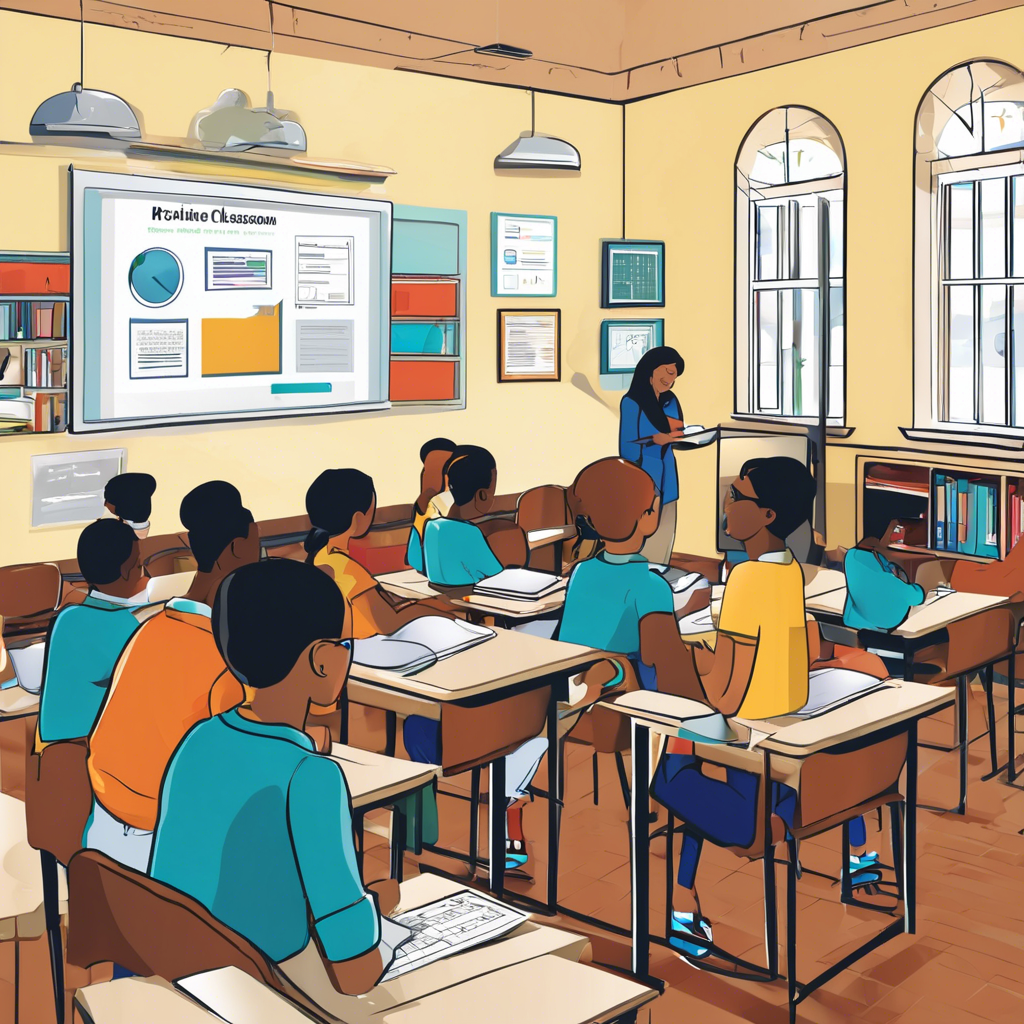
An online classroom is a virtual learning environment where students and instructors interact over the internet instead of a traditional physical setting. With the rise of digital education, online classrooms have become an essential part of modern learning, offering flexibility, accessibility, and a wide range of educational resources. Whether for school students, university learners, or corporate training programs, online classrooms are shaping the future of education.
What Defines an Online Classroom?
An online classroom consists of a digital platform where students and teachers communicate through live video, discussion forums, chat features, and multimedia presentations. Popular learning management systems (LMS) like Google Classroom, Zoom, Microsoft Teams, and Blackboard serve as the foundation for these virtual learning spaces.
Key features of an online classroom include:
- Live or recorded lectures – Instructors can teach in real-time through video conferencing or upload pre-recorded lessons.
- Interactive elements – Quizzes, polls, and breakout rooms encourage student engagement.
- Collaboration tools – Students can work together using shared documents, whiteboards, and discussion boards.
- Assessments & feedback – Digital tests, assignments, and instant grading systems streamline evaluation.
The accessibility of online classrooms allows students to learn from anywhere, reducing geographical barriers while maintaining the quality of education.
Advantages of Online Classrooms
The rapid growth of online classrooms is due to the numerous benefits they offer over traditional education.
1. Flexibility and Convenience
Students can access lessons anytime and anywhere, making learning more adaptable to their schedules. This is especially beneficial for working professionals, parents, and international students who may struggle with rigid timetables.
2. Cost-Effective Learning
Online education eliminates expenses related to commuting, accommodation, and physical textbooks. Many universities and e-learning platforms offer affordable or even free courses, reducing financial burdens for learners.
3. Diverse Learning Resources
Unlike traditional classrooms, where resources are often limited, online platforms provide an extensive collection of study materials, including ebooks, video tutorials, interactive simulations, and AI-driven learning assistants.
4. Personalized Learning Experience
AI-driven platforms can customize courses based on students’ learning speeds, strengths, and weaknesses. Adaptive learning technologies offer personalized feedback and recommendations, ensuring students receive the right support.
Challenges of Online Learning
Despite its advantages, online education comes with challenges that educators and students must address.
1. Lack of Face-to-Face Interaction
Many students miss the social aspect of traditional classrooms. The absence of in-person interaction can lead to feelings of isolation, which may impact motivation and engagement.
2. Technical Issues and Digital Divide
Not all students have access to high-speed internet, laptops, or mobile devices, creating a gap in education opportunities. Technical problems such as poor connectivity, software glitches, and unfamiliarity with digital tools can hinder learning.
3. Self-Discipline and Time Management
Without a structured classroom environment, students must develop self-discipline to keep up with coursework. Procrastination and distractions at home can make it difficult to stay focused.
4. Assessment Integrity
Online exams and assignments face challenges with cheating, plagiarism, and lack of supervision. Many institutions use AI-driven proctoring tools to monitor students during tests, but these solutions raise concerns about privacy.
The Future of Online Classrooms
Online classrooms continue to evolve with technological advancements, making education more immersive and interactive. Emerging trends include:
1. AI and Machine Learning in Education
AI-driven chatbots, virtual tutors, and predictive analytics help students receive instant support and personalized recommendations. AI is also used to analyze students’ progress and adapt lessons accordingly.
2. Virtual Reality (VR) and Augmented Reality (AR)
Immersive technologies like VR and AR transform online learning by providing realistic simulations and hands-on experiences. Medical students, for instance, can practice surgeries in a virtual environment before handling real-life cases.
3. Gamification and Interactive Learning
Incorporating game-based learning methods, such as badges, leaderboards, and rewards, increases motivation and engagement among students. Platforms like Kahoot! and Duolingo use gamification effectively.
4. Hybrid Learning Models
Many educational institutions are shifting towards hybrid learning, combining online and in-person classes for a more balanced experience. This model offers the best of both worlds, allowing students to enjoy the flexibility of online learning while maintaining in-person collaboration.
Tools and Platforms for Online Learning
Here’s a comparison of some of the most popular platforms used in online classrooms:
| Platform | Features | Best For |
|---|---|---|
| Google Classroom | Free, integrates with Google Drive, easy assignments & grading | Schools, universities |
| Zoom | High-quality video conferencing, breakout rooms, webinar support | Live classes, corporate training |
| Microsoft Teams | Seamless integration with Office 365, collaboration tools | Businesses, schools, universities |
| Moodle | Open-source, customizable, extensive course management | Universities, self-paced courses |
| Coursera/Udemy | On-demand courses, industry certifications, expert instructors | Professional skills, career growth |
Best Practices for Effective Online Learning
To maximize the benefits of an online classroom, students and educators should follow best practices:
For Students:
- Create a dedicated study space – A quiet, organized environment improves focus.
- Follow a schedule – Set regular study hours to maintain discipline.
- Engage actively – Participate in discussions, ask questions, and collaborate with peers.
- Use productivity tools – Apps like Notion, Evernote, and Trello help manage coursework effectively.
- Take breaks – Short breaks prevent burnout and improve retention.
For Educators:
- Use interactive teaching methods – Mix videos, quizzes, and live discussions to keep students engaged.
- Provide regular feedback – Personalized feedback improves student performance.
- Encourage collaboration – Group projects and discussion forums enhance learning.
- Ensure accessibility – Offer captions, transcripts, and mobile-friendly content.
- Keep up with technology – Stay updated with the latest e-learning tools and techniques.
Conclusion
Online classrooms have revolutionized education, making it more accessible, flexible, and resource-rich. While challenges like lack of face-to-face interaction and technical barriers exist, continuous advancements in AI, VR, and hybrid models are improving the online learning experience. As technology evolves, online education will become even more immersive, offering students and educators innovative ways to connect and learn. Whether for academic purposes, skill development, or professional growth, online classrooms are here to stay, shaping the future of education worldwide.