
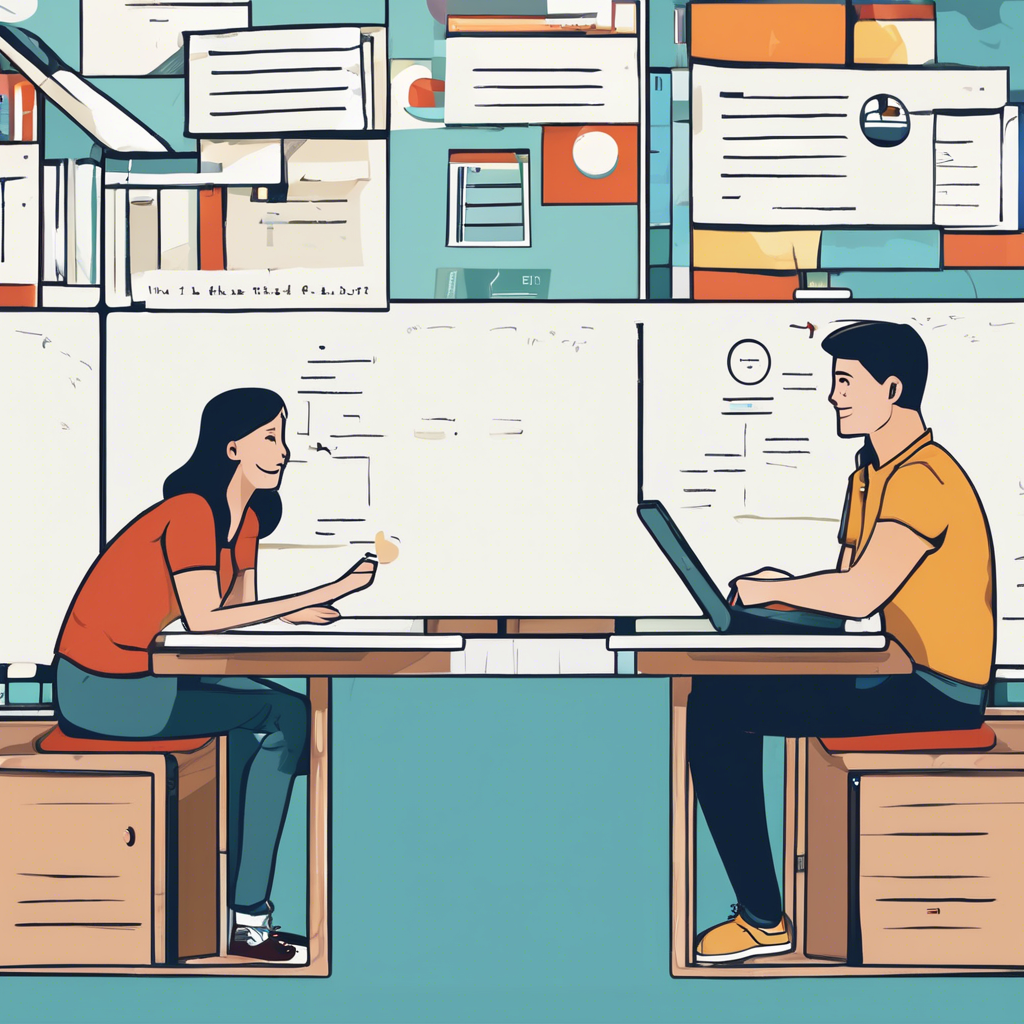
Face-to-face learning has long been regarded as the gold standard of education, offering students an interactive and immersive experience that online learning struggles to replicate. While digital education has gained popularity due to technological advancements, traditional classroom settings provide distinct advantages that contribute to a more effective and engaging learning process. The human connection, real-time interaction, structured environment, and hands-on experiences make face-to-face learning a superior method for knowledge retention and skill development.
Enhanced Communication and Social Interaction
One of the most significant benefits of face-to-face learning is the opportunity for direct communication. In a physical classroom, students and teachers can engage in spontaneous discussions, ask questions in real-time, and clarify concepts immediately. This dynamic interaction fosters a deeper understanding of the subject matter, as students can receive immediate feedback and guidance from their instructors.
Face-to-face learning also enhances non-verbal communication, which is crucial for comprehension. Body language, facial expressions, and tone of voice play an essential role in conveying meaning. These subtle cues help students interpret information more effectively and build stronger connections with their peers and teachers. In contrast, online learning often lacks this depth of communication, as digital platforms cannot fully capture the nuances of human interaction.
Improved Engagement and Motivation
In a traditional classroom, students are more likely to stay engaged and focused on the lesson. The presence of an instructor ensures that learners remain attentive and participate actively in discussions and activities. Unlike online courses, where students can easily become distracted by external factors such as social media, notifications, or household chores, face-to-face learning minimizes distractions and fosters a structured learning environment.
Classroom settings also encourage healthy competition among students. When learners see their peers actively participating, they are more motivated to contribute and perform well. Group activities, presentations, and in-class discussions create a collaborative atmosphere that boosts motivation and strengthens interpersonal skills. Moreover, teachers can observe students’ engagement levels and adjust their teaching methods accordingly, ensuring that no one falls behind.
Stronger Teacher-Student Relationships
The bond between teachers and students is a crucial factor in academic success. Face-to-face learning allows educators to build meaningful relationships with their students, providing mentorship and emotional support beyond academic instruction. Teachers can identify students’ strengths and weaknesses, offer personalized guidance, and adapt their teaching strategies to meet individual needs.
In a physical classroom, teachers can recognize when a student is struggling and provide immediate assistance. This personalized attention is often missing in online learning, where students may feel isolated and reluctant to seek help. The supportive environment of a traditional classroom fosters trust and open communication, encouraging students to express their thoughts and ask for clarification without hesitation.
Hands-On Learning and Practical Experience
Certain subjects require hands-on learning, which is difficult to achieve in an online setting. Science experiments, art projects, medical training, and technical courses benefit greatly from physical presence. In a traditional classroom, students can conduct experiments, participate in group projects, and engage in interactive demonstrations that reinforce theoretical concepts.
For example, medical students need to practice surgical procedures on models, engineering students must work with physical tools, and art students require studio space to create their work. While online simulations can provide some level of practical exposure, they cannot fully replace the experience of handling real materials and engaging in physical problem-solving.
Better Collaboration and Teamwork Skills
Face-to-face learning naturally promotes teamwork and collaboration. Group discussions, peer reviews, and cooperative projects help students develop essential interpersonal skills such as leadership, conflict resolution, and negotiation. These skills are crucial in both academic and professional settings, as most careers require employees to work effectively with others.
In contrast, online learning often limits collaboration to discussion forums and video calls, which may not provide the same level of engagement. Many students struggle with online group work due to communication barriers, time zone differences, and technical issues. The traditional classroom environment eliminates these obstacles, allowing students to work together seamlessly and build meaningful connections.
Structured Learning Environment and Discipline
A physical classroom provides a structured environment that fosters discipline and time management. Students follow a set schedule, attend classes at designated times, and adhere to academic guidelines. This structure helps learners develop a sense of responsibility and accountability, preparing them for future professional settings.
Online learning, on the other hand, requires a high level of self-discipline, which can be challenging for many students. Without a structured schedule, learners may procrastinate, miss deadlines, or struggle to stay motivated. Face-to-face education ensures that students remain on track, receive regular assessments, and stay committed to their studies.
Reduced Screen Time and Health Benefits
Excessive screen time has been linked to various health issues, including eye strain, headaches, and poor posture. Face-to-face learning reduces students’ reliance on digital devices, promoting better physical and mental well-being. Unlike online education, which requires prolonged screen exposure, traditional classrooms encourage movement, physical activity, and real-world engagement.
Additionally, in-person learning provides students with social interactions that contribute to mental health and emotional stability. The sense of belonging and camaraderie in a classroom setting reduces feelings of isolation and loneliness, which are common concerns in online learning. The human connection in a physical classroom plays a vital role in maintaining students’ overall well-being.
Conclusion
While online education offers flexibility and convenience, it cannot fully replicate the benefits of face-to-face learning. Traditional classrooms provide a richer, more engaging experience that enhances communication, motivation, teacher-student relationships, hands-on learning, collaboration, discipline, and overall well-being. As technology continues to evolve, a balanced approach that integrates the advantages of both online and in-person education may be the key to future learning success. However, for students who seek deeper engagement, personalized support, and practical experience, face-to-face learning remains the superior choice.